Re: 2 stroke thread (with occasional F1 relevance!)
Posted: 18 May 2017, 04:06
Hello all.
Manolis wrote:
“On the other hand, with the asymmetric timing, the duration of the exhaust can be substantially shorter, shifting all the ports lower on the cylinder.”
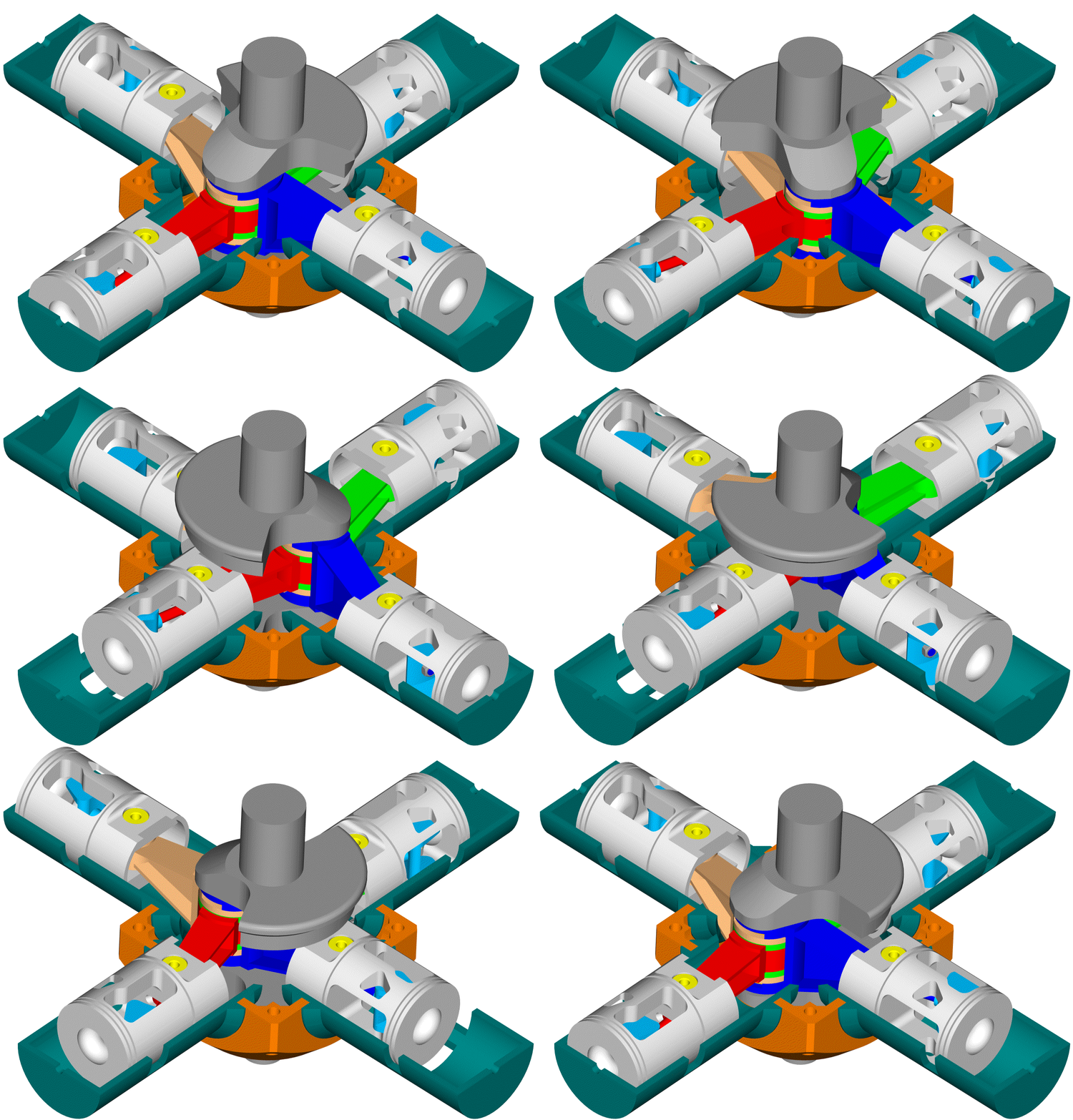
In these plots / drawings / animations:
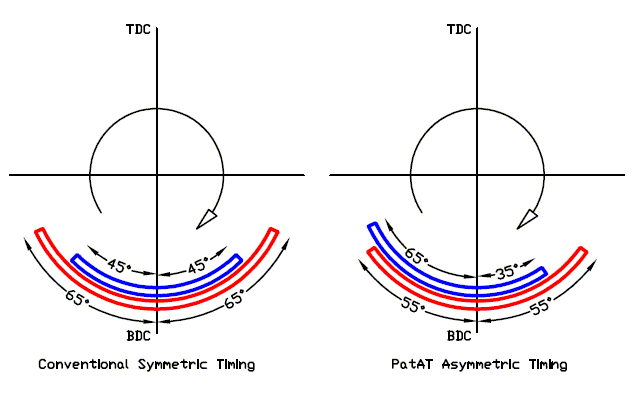
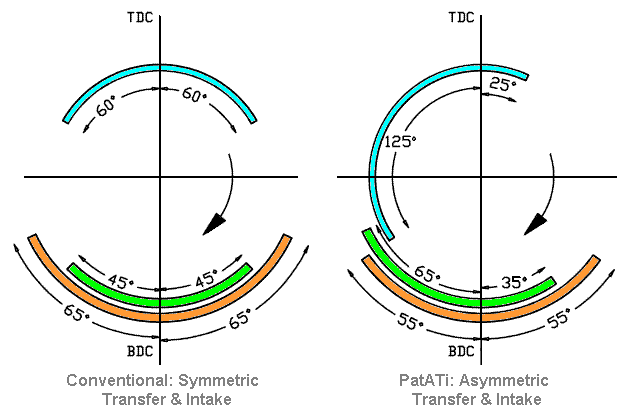
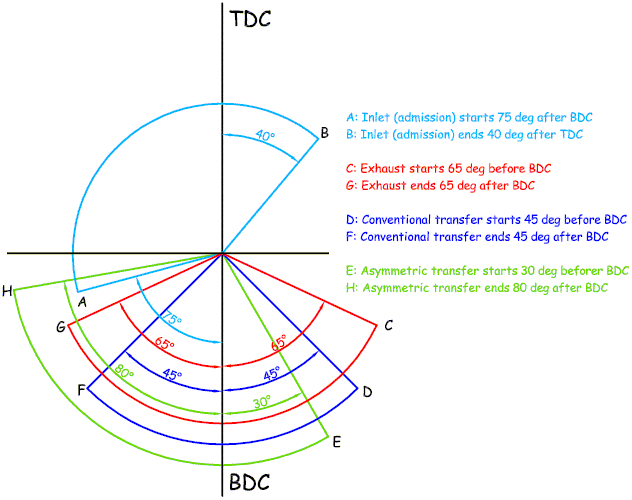
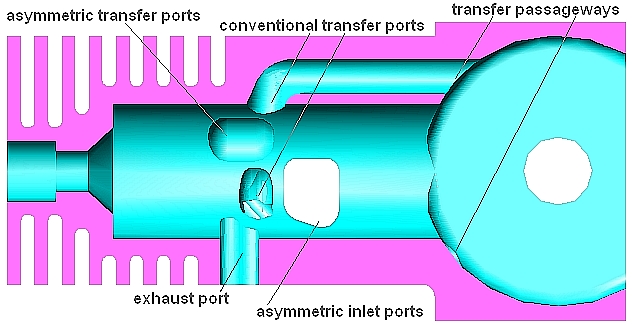
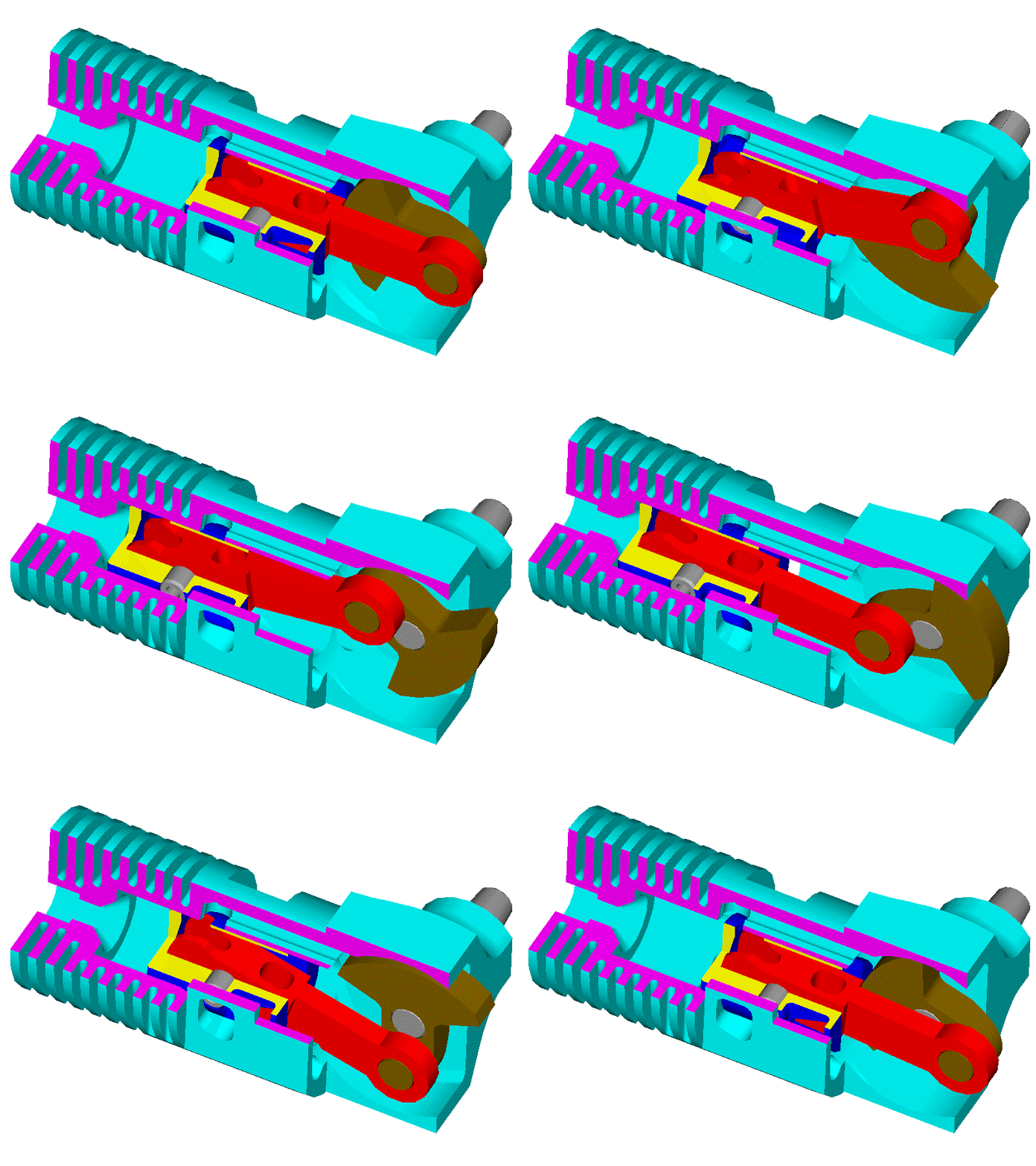
one can see a significant advantage of the 2-stroke with the asymmetrical transfer, over the conventional 2-stroke.
Start with a conventional 2-stroke requiring, say, 90 crankshaft degrees transfer duration (i.e. the transfer opens 45 degrees before the BDC and closes 45 degrees after the BDC).
The exhaust has to open substantially earlier, say at 65 degrees before the BDC, to provide time in order the pressure in the cylinder to drop before the starting of the transfer.
Looked at from a different viewpoint, the valve-time-area and the duration of the exhaust are substantially larger / longer than the valve-time-are and the duration of the “intake” (“intake”: the ports (the transfer ports) through which the mixture enters into the cylinder):
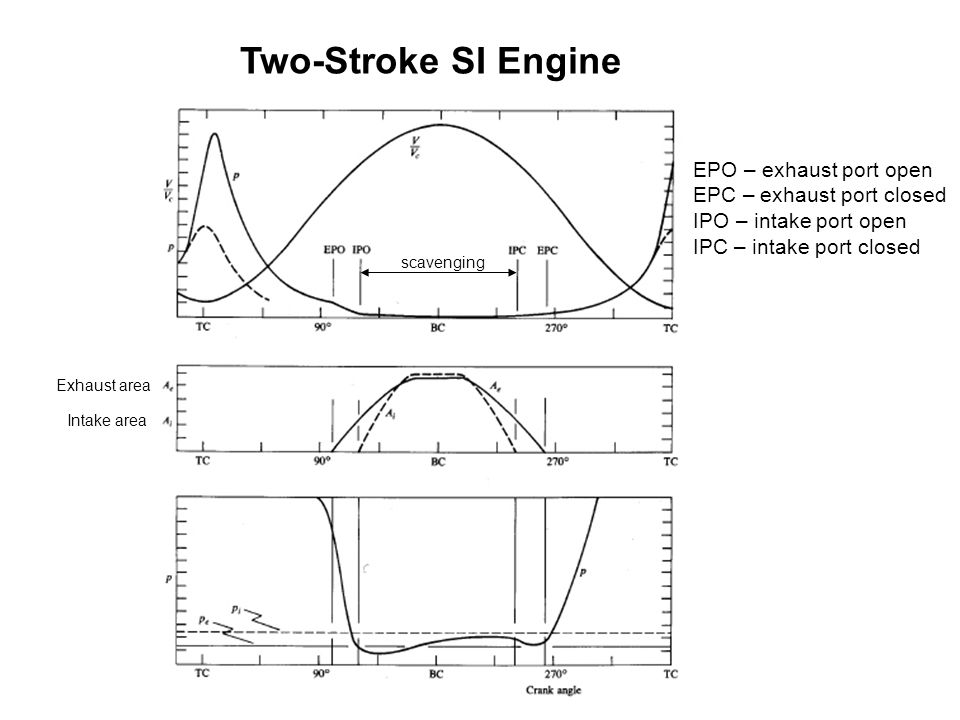
In the 4-strokes the opposite is the case: the exhaust valve-time-area is substantially smaller than the intake valve-time-area (the pressure at the end of the power stroke helps the fast evacuation of the cylinder).
For instance, in the Ducati Panigale (the top 4-stroke) the ratio of the exhaust valve-time-area to the intake valve-time-area is circa 2/3 (66%).
In the 2-strokes the opposite is the case, only because it cannot be otherwise.
With the asymmetric transfer, the transfer of the 2-stroke can start and end substantially later.
The exhaust needs not to last more than the transfer, any longer.
The exhaust valve-time-area needs not to be larger than the transfer valve-time-area, any longer.
The exhaust can open substantially later milking more power from the fuel.
With the exhaust closing before the transfer, the mixture previously lost in the exhaust reduces.
Etc, etc.
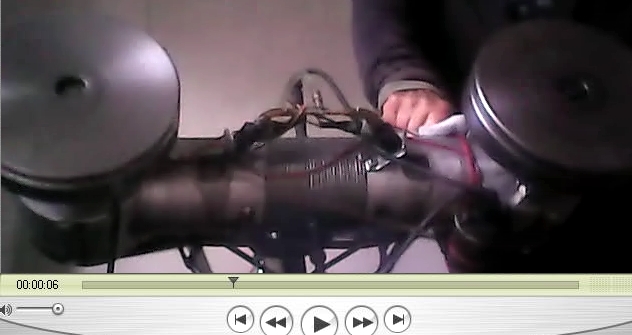
Youtube video at https://www.youtube.com/watch?v=aXvRaVqiHxs
Do I miss something?
Thanks
Manolis Pattakos
Manolis wrote:
“On the other hand, with the asymmetric timing, the duration of the exhaust can be substantially shorter, shifting all the ports lower on the cylinder.”
In these plots / drawings / animations:
one can see a significant advantage of the 2-stroke with the asymmetrical transfer, over the conventional 2-stroke.
Start with a conventional 2-stroke requiring, say, 90 crankshaft degrees transfer duration (i.e. the transfer opens 45 degrees before the BDC and closes 45 degrees after the BDC).
The exhaust has to open substantially earlier, say at 65 degrees before the BDC, to provide time in order the pressure in the cylinder to drop before the starting of the transfer.
Looked at from a different viewpoint, the valve-time-area and the duration of the exhaust are substantially larger / longer than the valve-time-are and the duration of the “intake” (“intake”: the ports (the transfer ports) through which the mixture enters into the cylinder):
In the 4-strokes the opposite is the case: the exhaust valve-time-area is substantially smaller than the intake valve-time-area (the pressure at the end of the power stroke helps the fast evacuation of the cylinder).
For instance, in the Ducati Panigale (the top 4-stroke) the ratio of the exhaust valve-time-area to the intake valve-time-area is circa 2/3 (66%).
In the 2-strokes the opposite is the case, only because it cannot be otherwise.
With the asymmetric transfer, the transfer of the 2-stroke can start and end substantially later.
The exhaust needs not to last more than the transfer, any longer.
The exhaust valve-time-area needs not to be larger than the transfer valve-time-area, any longer.
The exhaust can open substantially later milking more power from the fuel.
With the exhaust closing before the transfer, the mixture previously lost in the exhaust reduces.
Etc, etc.
Youtube video at https://www.youtube.com/watch?v=aXvRaVqiHxs
Do I miss something?
Thanks
Manolis Pattakos