Re: 2 stroke thread (with occasional F1 relevance!)
Posted: 04 Feb 2019, 06:04
Good points.
I thought the shafts were arranged to be (under conditions of weight transfer) horizontal ie as close to zero angles under full throttle first gear acceleration. Not to protect the joints (on FWD) but to minimise torque steer.
If the engine is used for power generation the speed is determined by the grid frequency once you are on load and it must hold that rpm at close to full load. Much much more demanding than marine applications.noice wrote: ↑02 Feb 2019, 13:49Sorry to quote from way back but there is awful info on 2 stroke slow speed engines.
This is all incorrect. There used to be PUP (Piston Underside Pumping) in some engines to use the underside of the piston to provide some pressure but I've never seen in use, only description in text.roon wrote: ↑16 Jul 2018, 03:56Blow-by designed in, may be what he means. The piston doesn't need rings nor touch the cylinder wall. The volume beneath the cylinder can be used as a pump as a sort of forced induction. Blow-by would manifest as a sort of EGR, while being oil-free. The piston rod is what gets sealed from the crankcase, and also acts as the piston guide.
Blow by will ruin the cylinder, there is 3 compression rings and one oil control ring.
The piston touches the wall, look at the bands on the piston skirt below the rings, they are made of bronze and allow the rings not to get overloaded by friction.
https://i.imgur.com/mmkaJ2Y.jpg
Piston rod is sealed by the stuffing box, it is a series of brass and cast iron scraper rings that are spring loaded against the piston rod. They cannot support any weight. The crosshead and bands on the piston skirt locate the piston.
https://i.imgur.com/lmcXytJ.jpg
Smaller two stroke engines run at 90-130 rpm, stuff in the 10,000-20,000HP range. Larger engines will be 90-100rpm area, long stroke engines may be lower than that.PlatinumZealot wrote: ↑19 Jul 2018, 01:03The speed is just above 103 rpm to 125 rpm at full load for the slow speed engines ( power generation - I am not familiar with their use on ships, but ships require variable operating loads and speeds). You can hear each explosion when you stand beside the cylinders.
The bigger the ship, normally the propeller becomes larger, tip speed starts to cause cavitation that damages the blade so the speed of the shaft is lowered.
130 rpm is the highest I have seen on 600ft tankers with a 16-18KHP engine.
94 rpm is the lowest I have seen on 1000ft containership with a 77KHP engine.
There is of course ships above and below this, but of the 20 or so ships I have been an engineer on, that is the trend I have seen.
At my job the giant slow speed diesel does 103 rpm at close to full speed.. but when its starting up it does so at about 20 rpm. It was not designed to be efficient at that speed though for various reasons.Tommy Cookers wrote: ↑03 Feb 2019, 13:16recently a stroked version of a slow-speed marine engine was announced as able to run continuously at 7 rpm for 10% power
in 1911 the first Diesel loco had direct drive (2 stroke V4 engine run at high load as a compressed air engine up to 7 mph)
it worked tolerably well - well enough to break its transmission
others were similar in design philosophy (eg even using steam for starting at full load)
hybrid F1 is fuelled notionally for constant torque up to 10500 rpm
and has technology to control fuelling/combustion to '0 rpm' rate - as true Diesels were doing over a century ago
with eg its electrically driven supercharging F1 could have its maximum torque notionally at 0 rpm
as did such differentially boosted CI engines as were made and successfully tested 50 years ago
surely it's now possible to make a piston ICE that will directly drive an F1 car (or a road car) ?
the technology exists (controlling combustion rate and charge) for the ICE to pull maximally (ie hill starts) from 0 rpm
(ok it might always be better to involve the electric motor with the ICE in road vehicles)
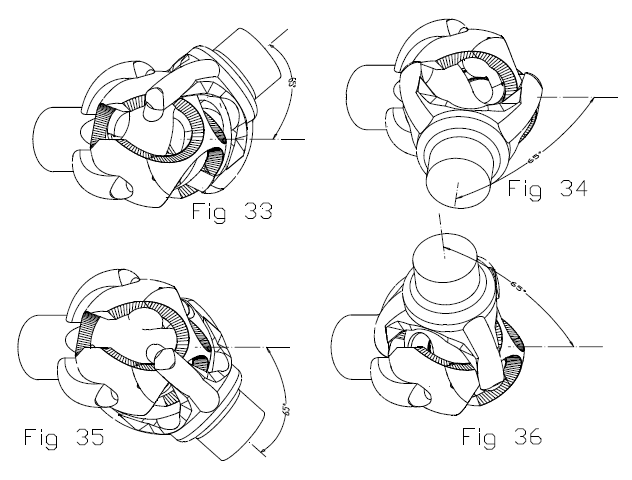
Thank you PhillipM
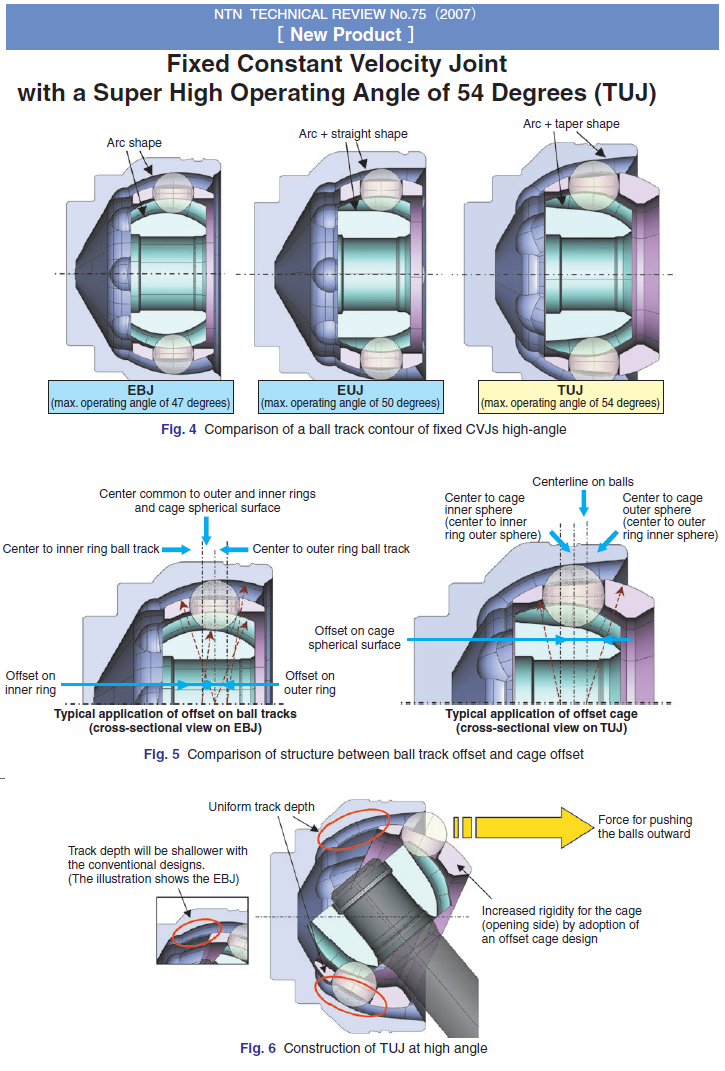
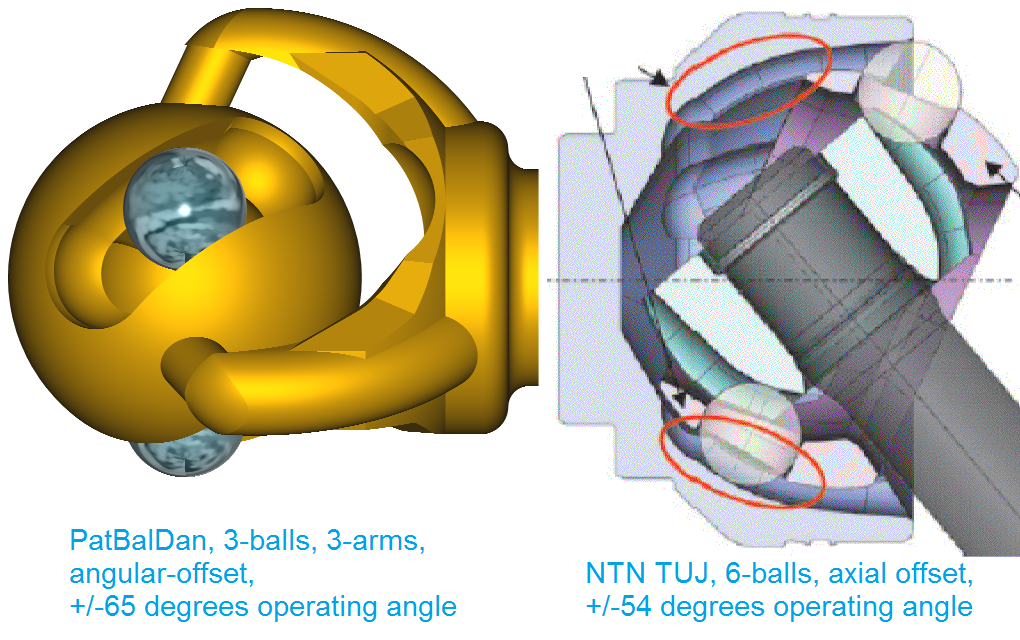
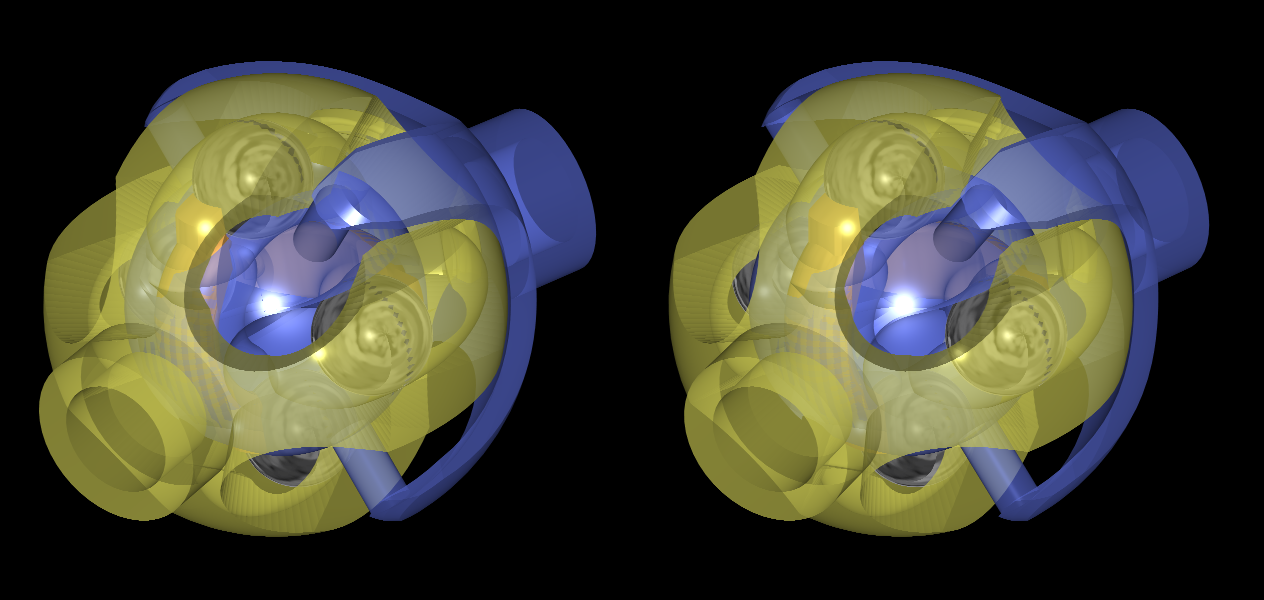
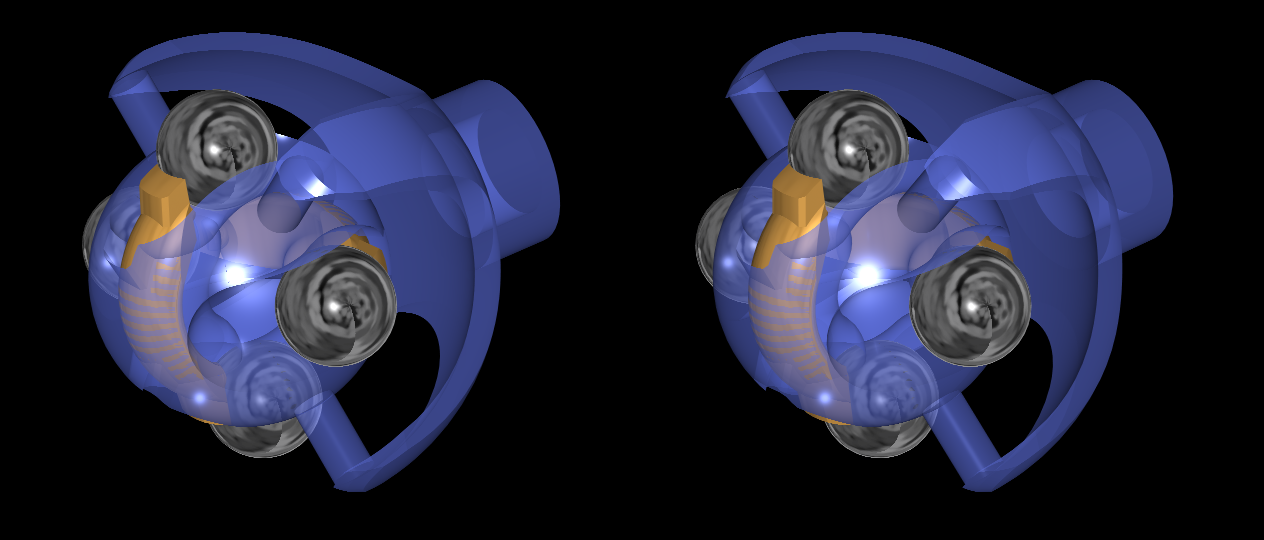
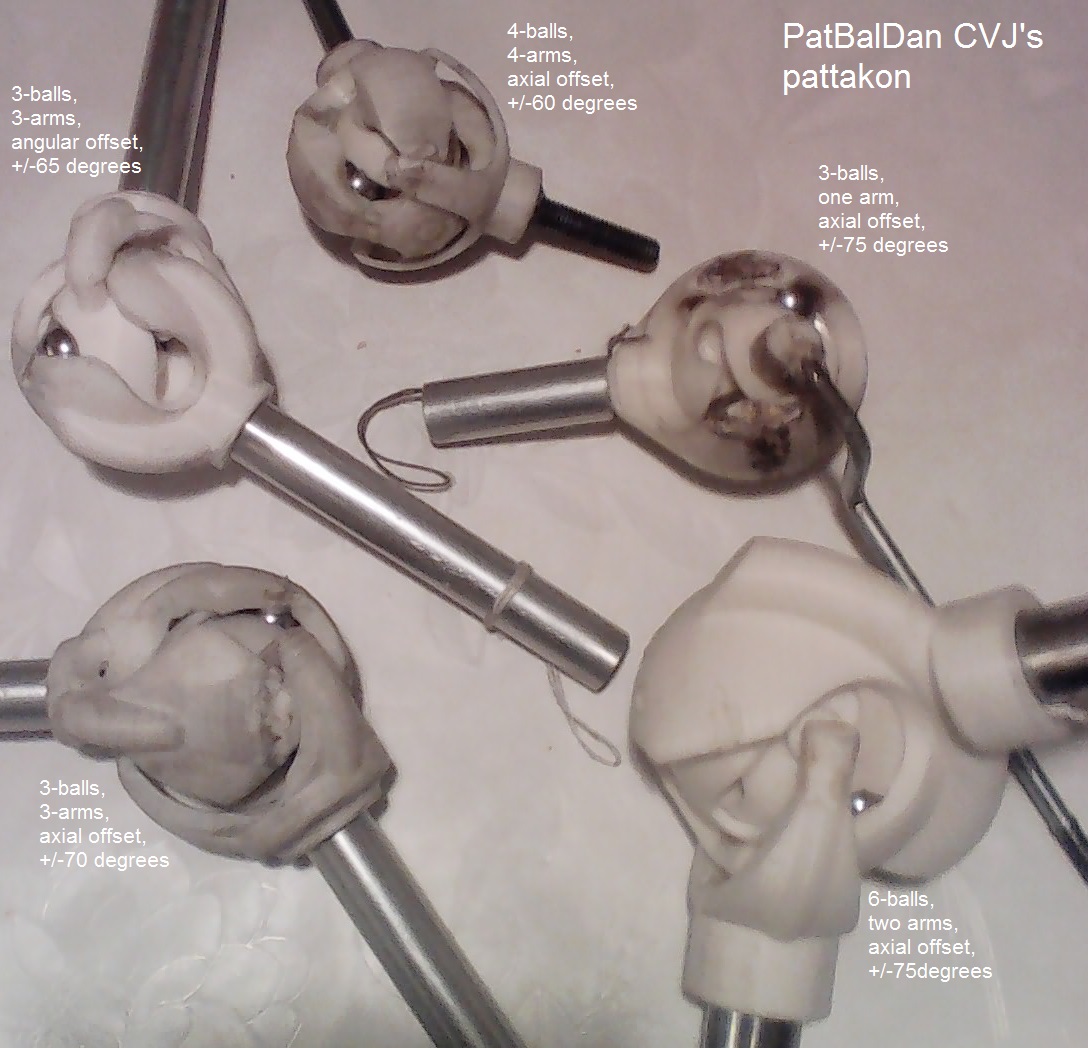
As NTN claims for their TUJ cvj (that with the "Super High Operating Angle of 54 degrees"):