Page 5 of 5
Re: Ah yes, the DeltaWing...
Posted: 06 Feb 2014, 13:29
by rjsa
Tommy Cookers wrote:the LERX style vortices effect was originated decades earlier, in the Saab Draken 'double delta' wing
(its huge afterburner was an accident, they didn't know the CoP position better than 1m so left engine wiggle room to adjust the CG)
now the Swedes love a big afterburner
the F 4 Phantom (designed for small AoA missile-only use) shed alternate 'Karman' vortices off the nose at high AoA
this impeded its later evolution into gun fighting
the F 5 had a chisel (lifting ?) nose and small LERX, replacing the alternating Karman vortices with steady vortices
presumably allowing a higher maximum AoA from the rather straight wing
(btw the F 18 shows like the F 104 that a swept wing is not needed supersonically)
if a wishbone is swept back eg at 45 deg the drag must be somewhat lower even at F1 speeds
as its 'aerodynamic thickness' is 41% less the Cd would be less
though the drag saving would have been greater (worthwhile) in the days of round tube wishbones
But that would be due to the perceived profile cross section, not the leading edge angle to the flow, right? And reshapping the cross section of the transversal tube would give the same result. That's my point.
Re: Ah yes, the DeltaWing...
Posted: 06 Feb 2014, 14:03
by Tommy Cookers
reshaping the section of the transverse design for the same drag as the angled design would give inferior buckling strength
that might be important, or it might not be, depending on the actual design case
Re: Ah yes, the DeltaWing...
Posted: 06 Feb 2014, 14:46
by rjsa
It doesn't seem to bother F1 designers.
Re: Ah yes, the DeltaWing...
Posted: 11 Feb 2014, 01:45
by Manoah2u
Re: Ah yes, the DeltaWing...
Posted: 20 Mar 2014, 12:08
by zenji
Whacky concepts!
I reckon the Nissan designers had their 'light bulb' moment watching sidecar racing, it seems so much like a sidecar racing bike.
Re: Ah yes, the DeltaWing...
Posted: 20 Mar 2014, 19:05
by Pierce89
rjsa wrote:DaveW wrote:Psyclone wrote:Same effect as seen on an F/A-18 from its leading edge root extensions.
Not sure how that relates to your current argument though.
Good image. I was merely trying to point out that what your reference calls "LERX", which rjsa wold dismiss as "bodywork", can (and indeed does in modern agile aircraft) have a fairly dramatic effect on characteristics of a lifting surface. With some imagination the vortices shown in your image are analogous to the Y250 vortices of F1.
But you know LERX works on wings while under high AOA, delaying stall. That's a situation that will never happen in a car, with ground effevt tunnels, rolling on pavement.
Delta shaped winggs do have delayied stall characteristics due to the angled leading edge, LERX will just add to it. But it adds induced drag insted of reducing it.
And the whole mess started after a statement that delta shaped wings will reduce drag, which is wrong.
AFAIK the Deltawing car uses the deltawing or LERX vortices in its tunnels to create DF. In this case its a low drag solution because it eliminates the need for high drag wings.
Re: Ah yes, the DeltaWing...
Posted: 20 May 2014, 23:30
by Xwang
I've recently read an article about DeltaWing which was on Racecar Engineering of about two years ago.
It spoke about Battery Layer Adhesion Theory (BLAT). Does anybody know something about that?
Moreover what I don't understand of this project is the narrow front track. With the same weight and weight distribution, wouldn't the cornering and braking performances be better with a larger front track?

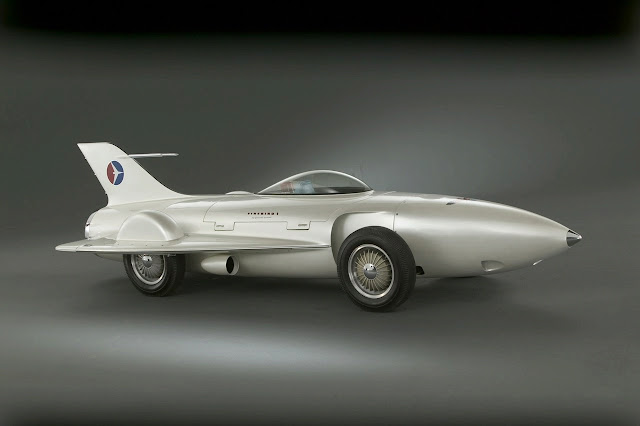
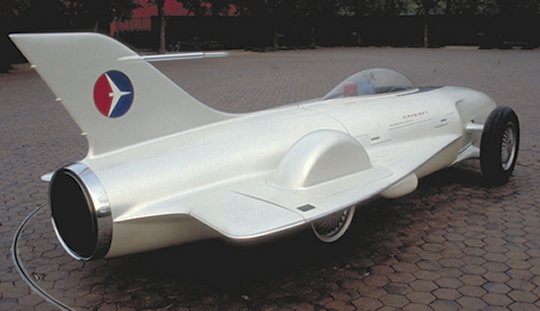
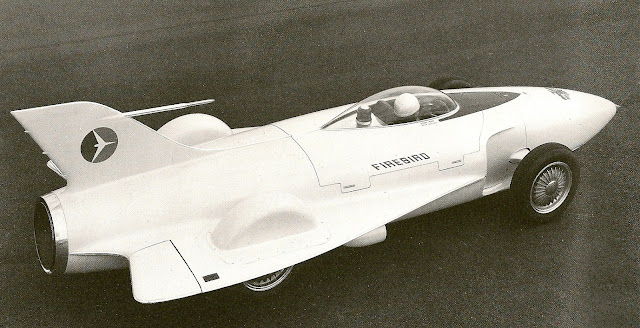
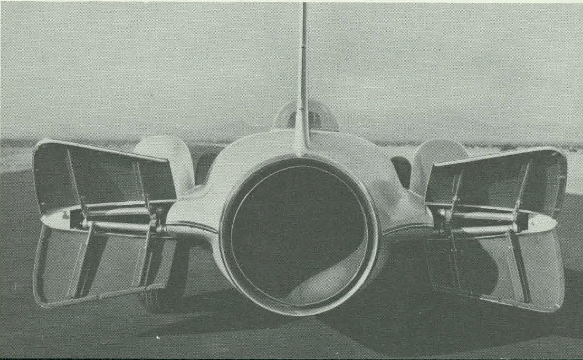
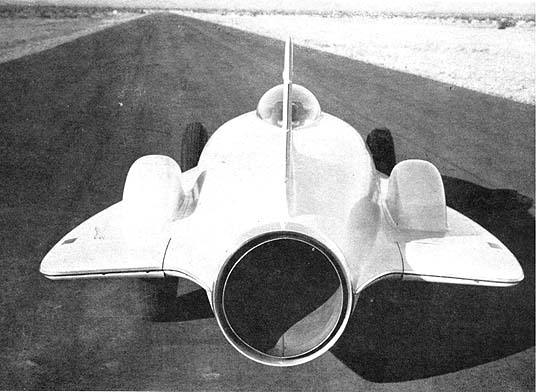
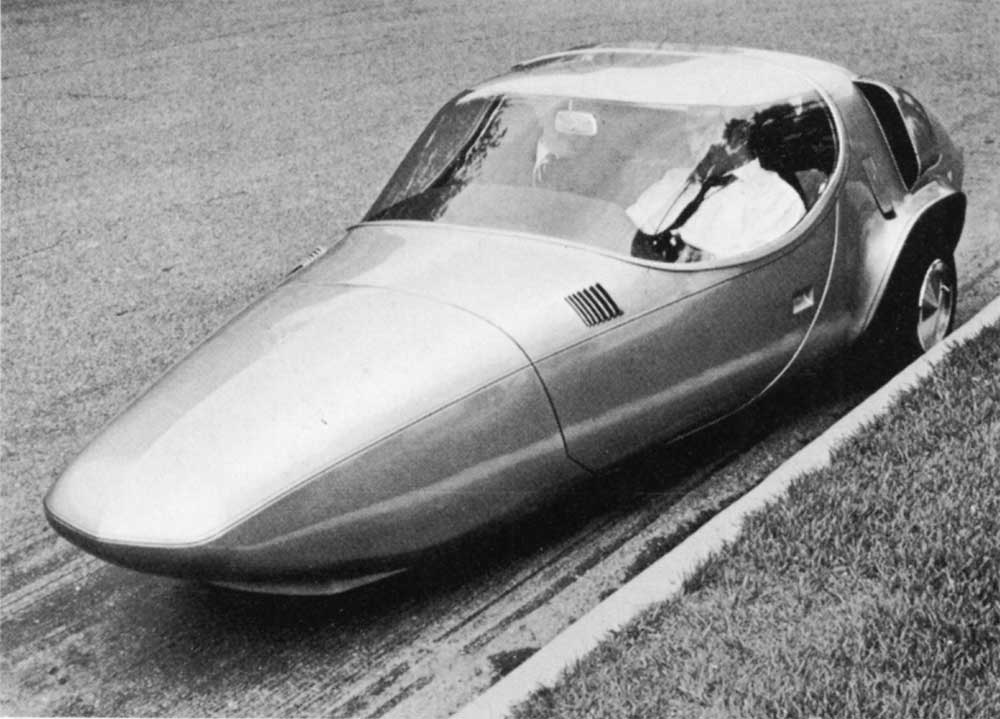
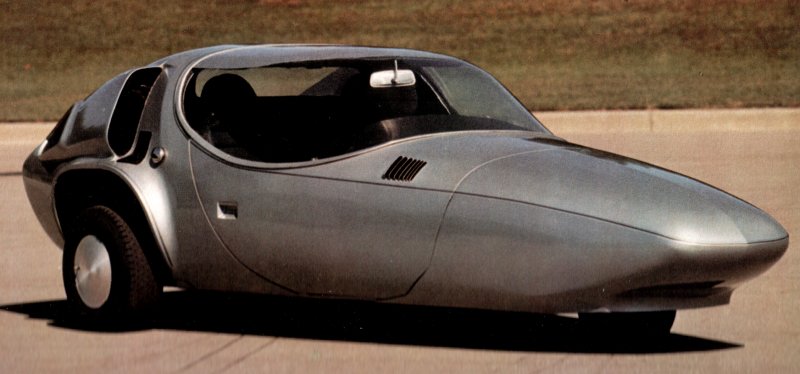

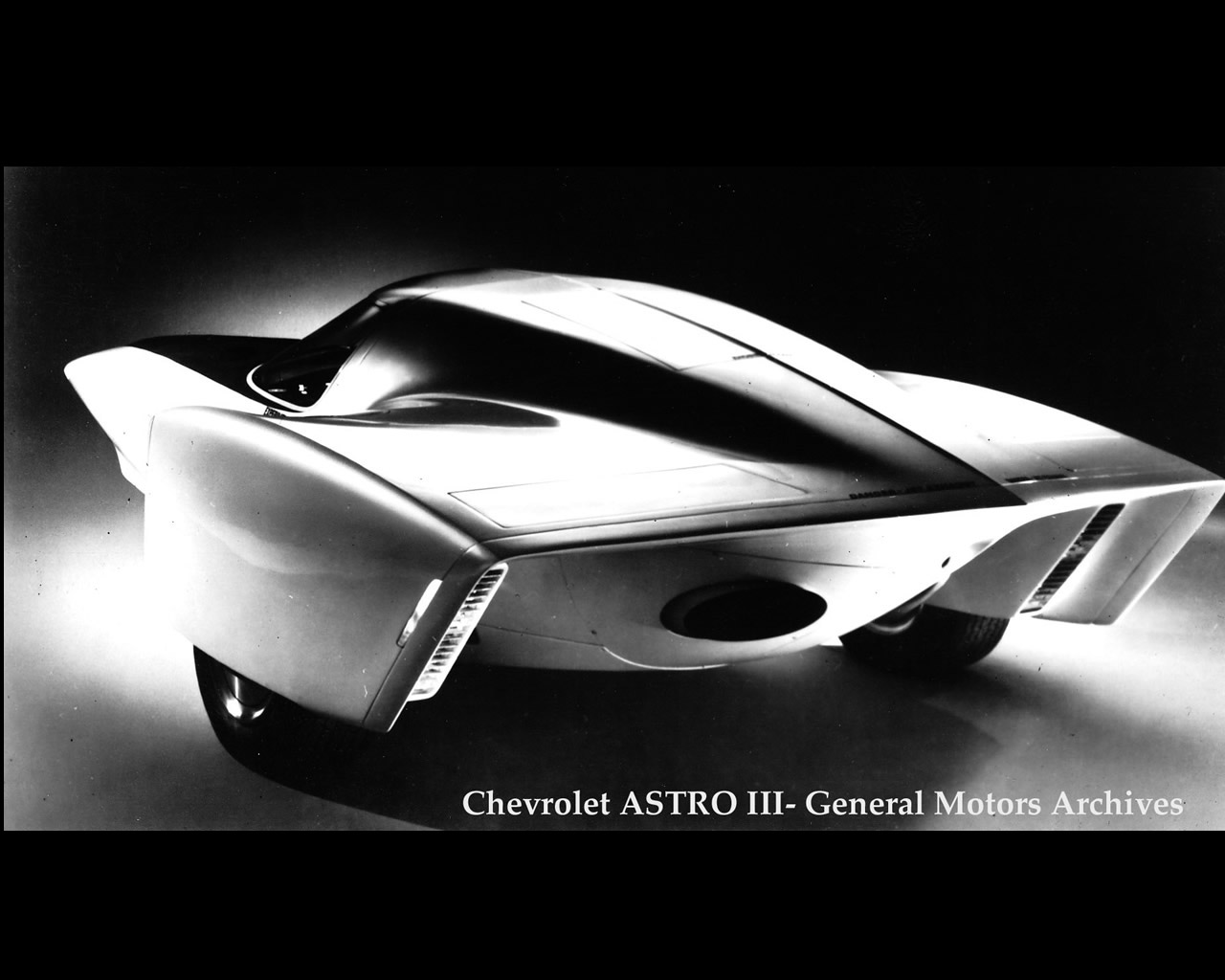


 the saddest part is, i forgot the name of the book. some encyclopedia-like book. sought at the library to find it back but unsuccesfull. anyway it contained the firebird concepts, bonneville land speed record machines, and much more.