Most of the conceptual renderings of the 2026 cars seen thus far, including the FIA’s, depict familiar ’09-’21 type coke-bottle/radish-shaped engine covers. Nothing wrong with that, as it seems like the most realistic assumption and the one that I also am most expecting to see. However, one major thing is different compared to that previous era: the outboard, inwashing bargeboards (FIA: “Floor board” & “Floor foot”). It makes me think we could be missing a beat. Could they inform new sidepod & engine cover concepts?
Thanks for the detailed anaysis Vorticism..
I had one thought. I am crap at drawing and couldn't find a way to share the picture. I'll try to explain by typing. I hope that will not make life miserable for everyone.
Let's have a sidepod inlet that is level with the floor. As we travel backwards, the top of the sidepod would rise while getting narrower (coke bottling). Would this be able to pull some clean air for the top of te diffuser, while pushing the turbulent air from the inwash up and may be generating some downforce in the process?
The sim racing crowd are already making 2026 mods to simulate performance.
Re: 2026 Aerodynamic & Chassis Regulations
Posted: 10 Dec 2025, 15:29
by zioture
Insights on 2026 Active Aero (X-Mode/Z-Mode) & Abu Dhabi "Mule" Tests
Hi guys,
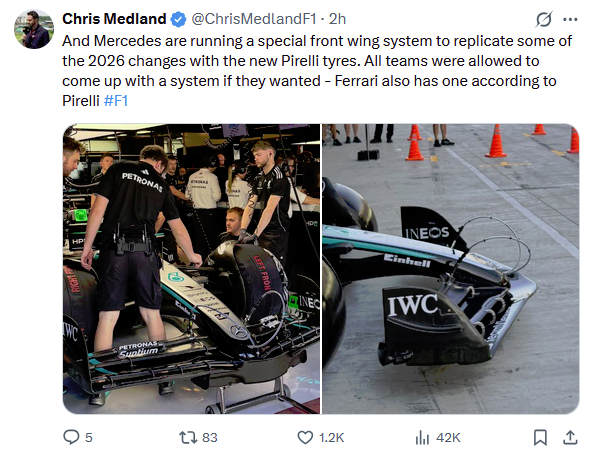
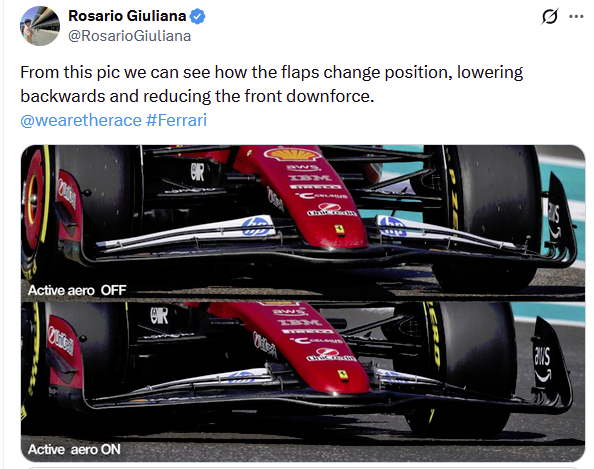
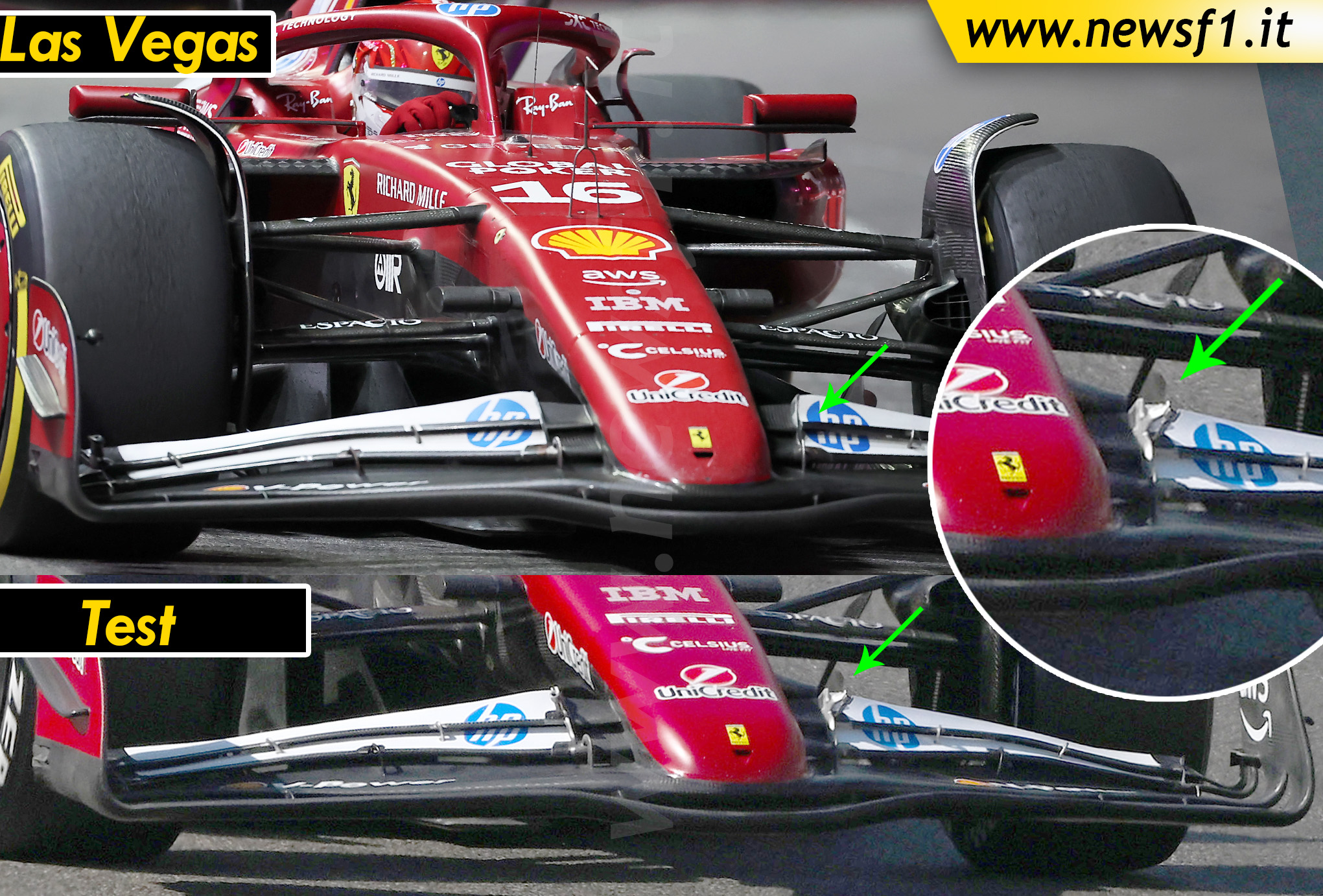
I wanted to share some technical insights regarding the "mule" cars seen in Abu Dhabi (specifically the Ferrari and Mercedes active wing setups) and the implications for the 2026 Aero regs.
We had a detailed chat with Alberto Maggioni (Aerodynamic Engineer, ex-F1/Sauber Group) to decode what the teams were actually testing, given that the 2025 cars are mechanically different from the '26 specs.
According to his analysis, the bulky sensors and flap modifications were critical for validating Aero Balance shift during mode transition.
A few key takeaways from the engineering perspective:
The CoP Migration Risk: The biggest challenge for 2026 isn't just top speed, but the stability during the transition from Z-Mode (High Downforce) to X-Mode (Low Drag). If the front and rear wings don't shed load in perfect sync, the Center of Pressure shift could make the cars unstable/undriveable.
Driving Style & Cornering: With the reduced base downforce of the 2026 specs, the engineer suggests that high-speed corners like Eau Rouge/Raidillon might not be flat-out anymore for everyone. This could re-introduce a larger gap between drivers.
Sensor Logic: The specific arrays seen on the Ferrari mule were likely looking at airflow detachment/reattachment rates on the front flaps to correlate CFD models for the active components.
We published the full technical breakdown (in English) here:
I'd be interested to hear your thoughts on the front wing active elements: do you think the complexity of the X-Mode activation on the front wing is going to be the main failure point for teams in '26?
Insights on 2026 Active Aero (X-Mode/Z-Mode) & Abu Dhabi "Mule" Tests
Hi guys,
I wanted to share some technical insights regarding the "mule" cars seen in Abu Dhabi (specifically the Ferrari and Mercedes active wing setups) and the implications for the 2026 Aero regs. https://www.newsf1.it/wp-content/upload ... a-test.jpg
We had a detailed chat with Alberto Maggioni (Aerodynamic Engineer, ex-F1/Sauber Group) to decode what the teams were actually testing, given that the 2025 cars are mechanically different from the '26 specs.
According to his analysis, the bulky sensors and flap modifications were critical for validating Aero Balance shift during mode transition.
A few key takeaways from the engineering perspective:
The CoP Migration Risk: The biggest challenge for 2026 isn't just top speed, but the stability during the transition from Z-Mode (High Downforce) to X-Mode (Low Drag). If the front and rear wings don't shed load in perfect sync, the Center of Pressure shift could make the cars unstable/undriveable.
Driving Style & Cornering: With the reduced base downforce of the 2026 specs, the engineer suggests that high-speed corners like Eau Rouge/Raidillon might not be flat-out anymore for everyone. This could re-introduce a larger gap between drivers.
Sensor Logic: The specific arrays seen on the Ferrari mule were likely looking at airflow detachment/reattachment rates on the front flaps to correlate CFD models for the active components.
We published the full technical breakdown (in English) here:
I'd be interested to hear your thoughts on the front wing active elements: do you think the complexity of the X-Mode activation on the front wing is going to be the main failure point for teams in '26?
I have not read the rules, but are do they specify the maximum opening height they have now or is that open? Do we have to expect the same with the last regulations with endless talk about the effectiveness of DRS of one team over the other?
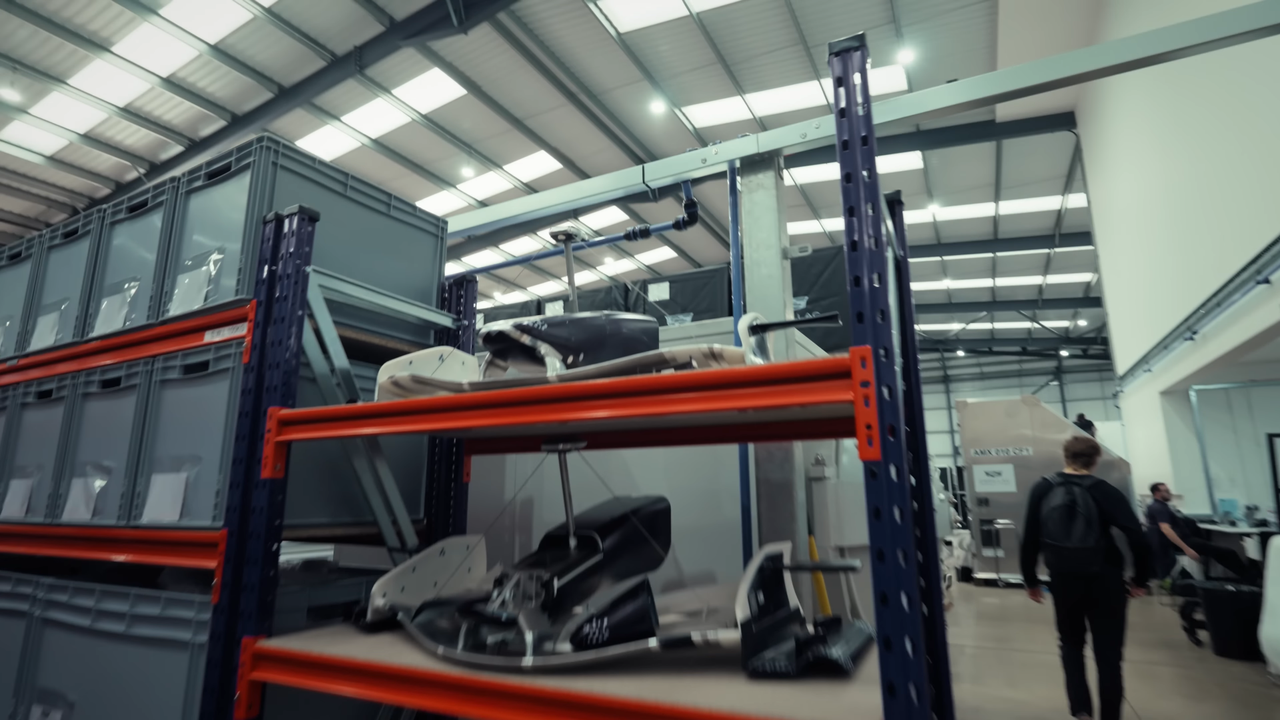
They would need something that can be quickly installed while replacing a damaged front wing. Hydraulic and pneumatic lines will be a pain. Eclectic or electro hydraulic more likely.
They would need something that can be quickly installed while replacing a damaged front wing. Hydraulic and pneumatic lines will be a pain. Eclectic or electro hydraulic more likely.
If I remember correctly, The Race said that they can be either hydraulic or electric. The teams can choose.