Radiator angle and aero balance
Posted: 20 Mar 2012, 13:25
This year there is an interesting diversification between radiators' angle for different teams.
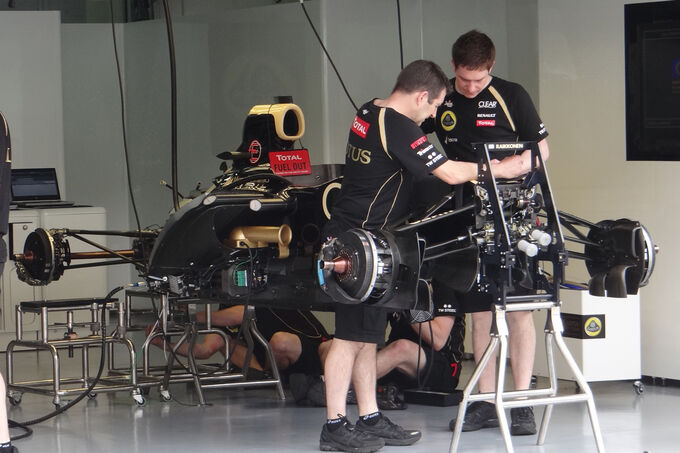
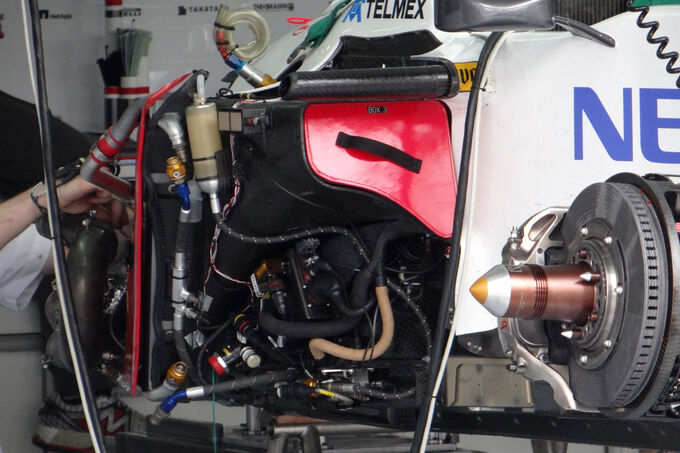
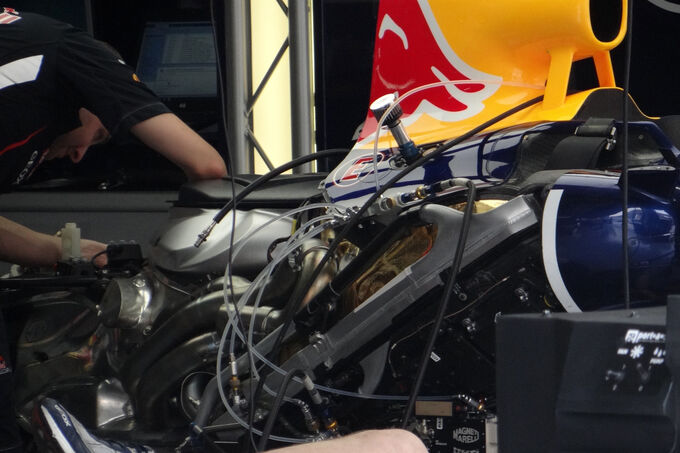
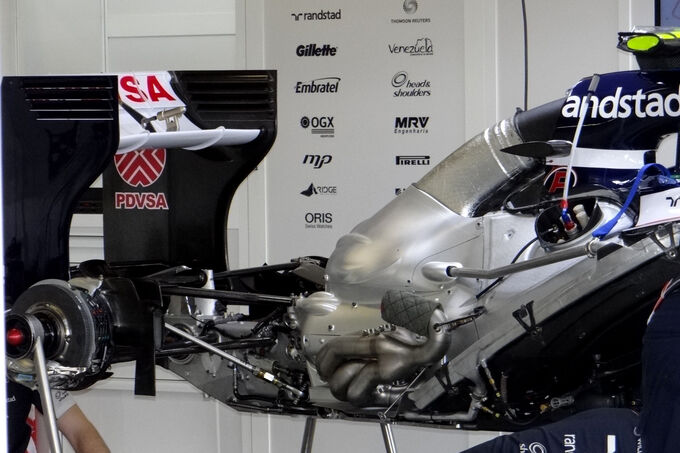
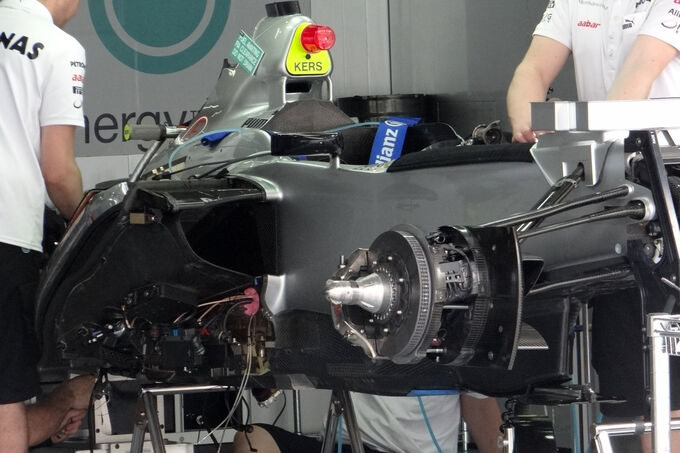
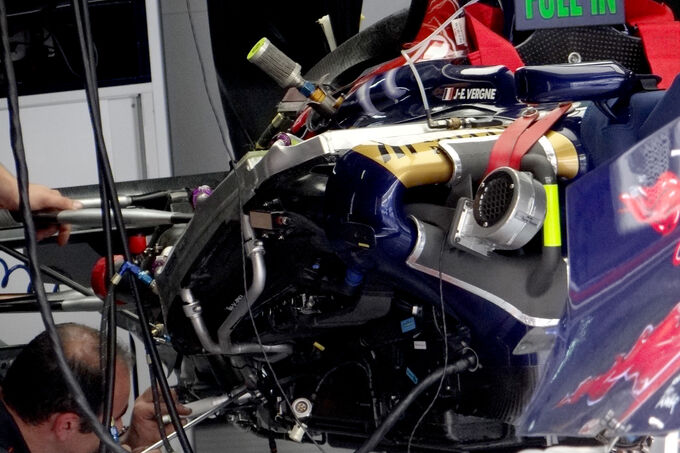
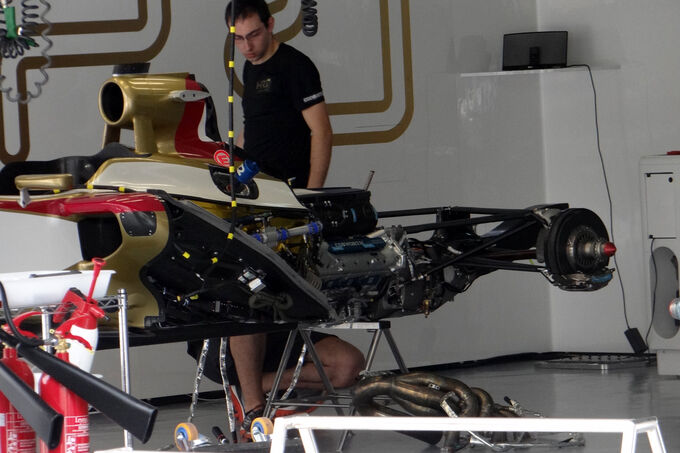
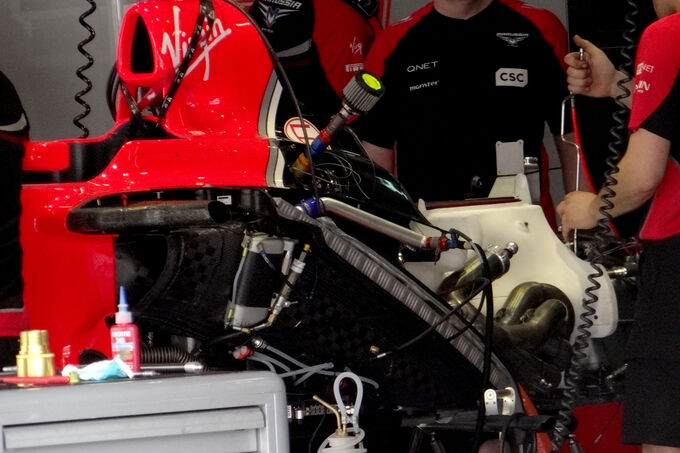
For example we have seen in melbourne pitlane that rbr has kept the "conventional" angled radiator layout, where has ferrari (and consequently sauber and toro rosso) have gone for a now unconventional 90s style vertical layout, and mclaren (and iirc lotus) have a split layout with a vertical radiator near the floor and a very angled, almost horizontal one on top of it.
When speaking about radiator and internal flow influence on aero, the first factor that comes to mind is drag, to which radiators are great contributors.
But I think that one area some teams have looked at with special attentior this year is radiator angle influence on aero balance.
If we model the radiator as a porous jump, we see that flow passing through it exerts a force on it which is roughly normal to the radiator face: this is an aerodynamic force acting on the car, which can represented in terms of lift, drag and moment. The inclination of the radiator affects the percentage of lift vs drag (no lift for vertical radiator), and the distance of the center of the radiator from the contact patches of the wheels in side view determine the moment, i.e. the contribution to aero balance.
The picture is more complicated that this, because also pressure gradient along the inlet especially have to be taken into account.
High and low preesure zones will compensate for the lift contribution of the radiator (momentum equation is always valid), but for example a more horizontal radiator will have staggered pressure gradients in side view between the top and the bottom surface of the inlet, and this also will generate some torque.
It is worth noting that, in addition to the force acting on the internal part of the car as a result of the variation in momentum of the internal flow, there is also a torque acting on the car as a result of this flow, and it could be useful to exploit it for example to move balance a bit towards the rear, as I think verybody agrees that one of the aero themes at the beginning of this season is trying to gain some rear balance (maybe 1-2%).
It will be interesting to see if ferrari f2012's evolution involves also a rethinking in radiator angle.
For example we have seen in melbourne pitlane that rbr has kept the "conventional" angled radiator layout, where has ferrari (and consequently sauber and toro rosso) have gone for a now unconventional 90s style vertical layout, and mclaren (and iirc lotus) have a split layout with a vertical radiator near the floor and a very angled, almost horizontal one on top of it.
When speaking about radiator and internal flow influence on aero, the first factor that comes to mind is drag, to which radiators are great contributors.
But I think that one area some teams have looked at with special attentior this year is radiator angle influence on aero balance.
If we model the radiator as a porous jump, we see that flow passing through it exerts a force on it which is roughly normal to the radiator face: this is an aerodynamic force acting on the car, which can represented in terms of lift, drag and moment. The inclination of the radiator affects the percentage of lift vs drag (no lift for vertical radiator), and the distance of the center of the radiator from the contact patches of the wheels in side view determine the moment, i.e. the contribution to aero balance.
The picture is more complicated that this, because also pressure gradient along the inlet especially have to be taken into account.
High and low preesure zones will compensate for the lift contribution of the radiator (momentum equation is always valid), but for example a more horizontal radiator will have staggered pressure gradients in side view between the top and the bottom surface of the inlet, and this also will generate some torque.
It is worth noting that, in addition to the force acting on the internal part of the car as a result of the variation in momentum of the internal flow, there is also a torque acting on the car as a result of this flow, and it could be useful to exploit it for example to move balance a bit towards the rear, as I think verybody agrees that one of the aero themes at the beginning of this season is trying to gain some rear balance (maybe 1-2%).
It will be interesting to see if ferrari f2012's evolution involves also a rethinking in radiator angle.