Goal is to get max downforce for given area of undertray. I dont car about drag.
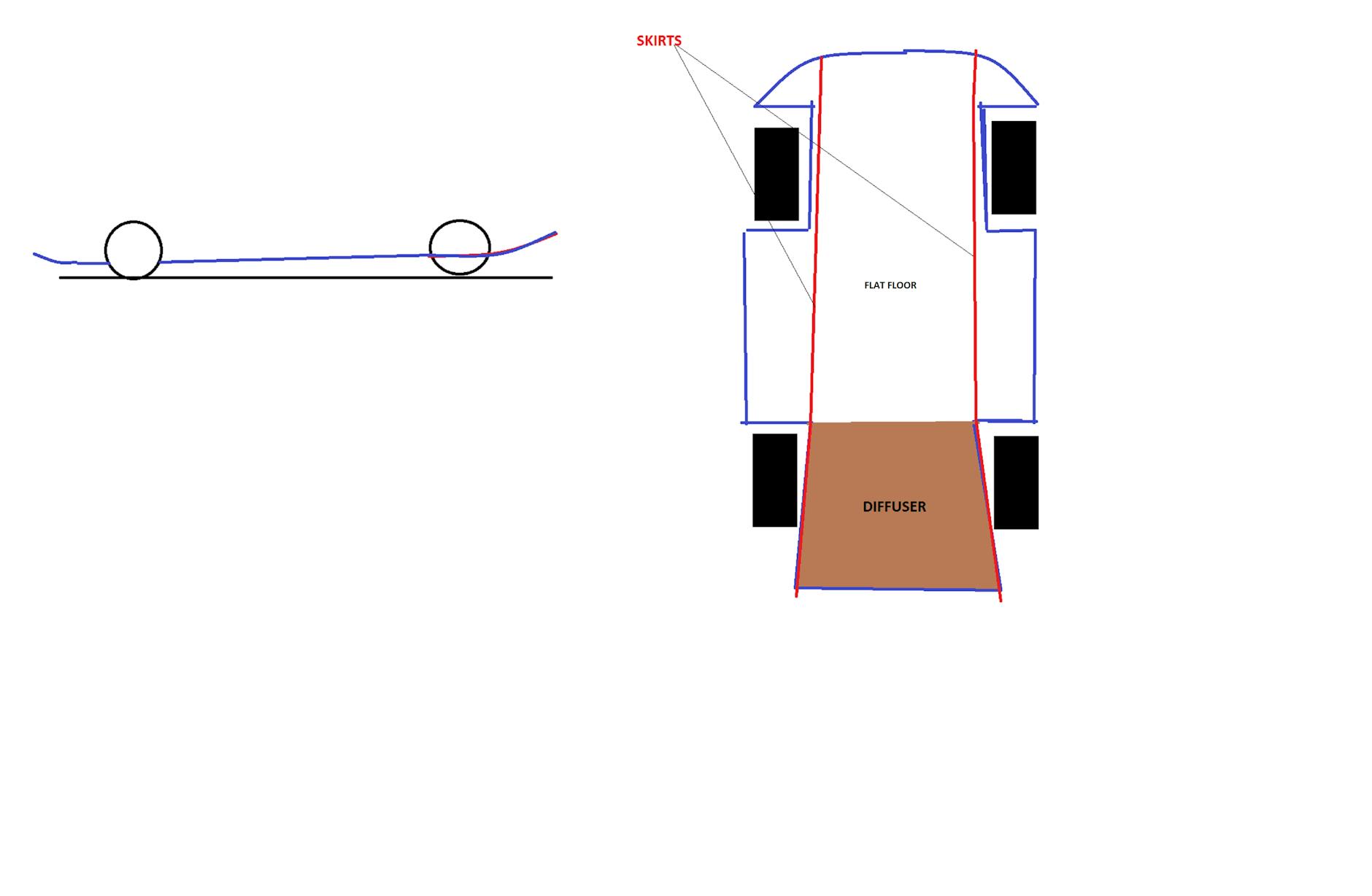
Race car has flat floor and diffuser starts slighly infront rear wheel like picture show.
Generaly my biggiest problem how to menage wheels airflow "mess" tha ruin low pressure under the floor and at same time use maximum floor area?
Few questions:
1.SKIRTS
Where put skirts to the ground, red lines like picture suggest (idea is smaller total area but lower peak pressure because there is no wheel wake compromiting floor section with low pressure.
or
put skirts at the left and right edge of floor between wheels, now total area is bigger but I think low pressure cant be so low because of wheel wake and air leaking through wheels and wheels and skirts connection.
Also does it make sense desing inlet with skirt expanding in lateral and vertical direction, this parts then become contraction so I am scared of high pressure at this entry?
2.DIFFUSER ANGLE
7°, 10° or maybe 20°?
At 12° all tufts still rotating
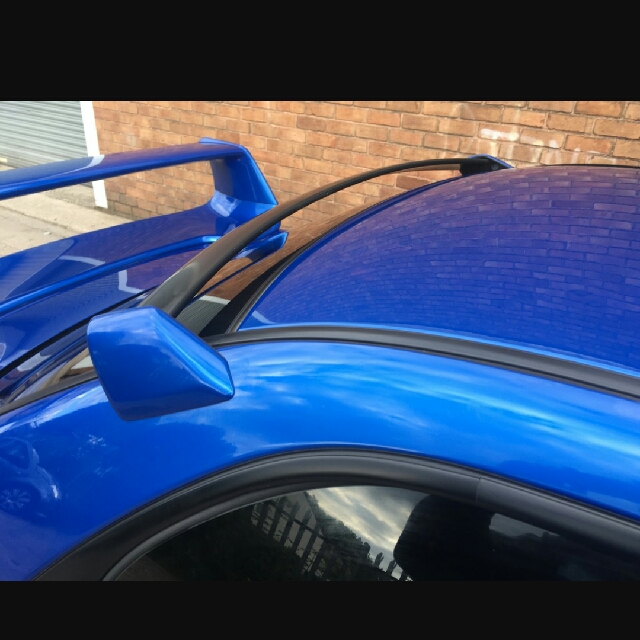
Does it make sense to fix flow separation problems with "roof vanse" like impreza has and put it into diffuser to force the air to follow diffuser upper wall?
3.RAKE
Floor section rake, 100% horizontal or give some rake, hom much?
This video show very high AoA of tunnels infront of rear wheels, at least 35° ,that must be stalled.
Why is that?
[media] [/media]
Goal is to get max downforce for given area of undertray. I dont car about drag.
Race car has flat floor and diffuser starts slighly infront rear wheel like picture show.
Generaly my biggiest problem how to menage wheels airflow "mess" tha ruin low pressure under the floor and at same time use maximum floor area?
Few questions:
1.SKIRTS
Where put skirts to the ground, red lines like picture suggest (idea is smaller total area but lower peak pressure because there is no wheel wake compromiting floor section with low pressure.
or
put skirts at the left and right edge of floor between wheels, now total area is bigger but I think low pressure cant be so low because of wheel wake and air leaking through wheels and wheels and skirts connection.
Also does it make sense desing inlet with skirt expanding in lateral and vertical direction, this parts then become contraction so I am scared of high pressure at this entry? https://images.pexels.com/photos/1162 ... 50&w=940
2.DIFFUSER ANGLE
7°, 10° or maybe 20°?
At 12° all tufts still rotating Does it make sense to fix flow separation problems with "roof vanse" like impreza has and put it into diffuser to force the air to follow diffuser upper wall? https://media.karousell.com/media/pho ... 635ce.jpg
3.RAKE
Floor section rake, 100% horizontal or give some rake, hom much?
Take advantage of the two jetting vortices that come off inboard face of the wheels. You strengthen them by toeing the wheels outward. The jetting vortex will keep tire turbulence from migrating to the low pressure area of the splitter and diffuser.
You want to direct airflow outward under the floor, the more air you push out of the floor, the more air will want to go under the floor increasing flow velocity.
Your diffuser design determines how much AoA you put on it. Particularly the end fences and strakes. It's helpful to treat the underfloor like a nozzle. The throat is the nozzle, all the airflow upstream is essentially the pressure reservoir.
If you can fit it under the car, flow conditioning will make a big difference. Flow reversion increases the static pressure, so keeping the airflow straight helps. You can blow or suck the boundary layer to delay flow separation. The slats and gaps with multi element wings energize the boundary layer and encourages the flow to remain laminar.
Goal is to get max downforce for given area of undertray. I dont car about drag.
Race car has flat floor and diffuser starts slighly infront rear wheel like picture show.
Generaly my biggiest problem how to menage wheels airflow "mess" tha ruin low pressure under the floor and at same time use maximum floor area?
Few questions:
1.SKIRTS
Where put skirts to the ground, red lines like picture suggest (idea is smaller total area but lower peak pressure because there is no wheel wake compromiting floor section with low pressure.
or
put skirts at the left and right edge of floor between wheels, now total area is bigger but I think low pressure cant be so low because of wheel wake and air leaking through wheels and wheels and skirts connection.
Also does it make sense desing inlet with skirt expanding in lateral and vertical direction, this parts then become contraction so I am scared of high pressure at this entry? https://images.pexels.com/photos/1162 ... 50&w=940
2.DIFFUSER ANGLE
7°, 10° or maybe 20°?
At 12° all tufts still rotating Does it make sense to fix flow separation problems with "roof vanse" like impreza has and put it into diffuser to force the air to follow diffuser upper wall? https://media.karousell.com/media/pho ... 635ce.jpg
3.RAKE
Floor section rake, 100% horizontal or give some rake, hom much?
Take advantage of the two jetting vortices that come off inboard face of the wheels. You strengthen them by toeing the wheels outward. The jetting vortex will keep tire turbulence from migrating to the low pressure area of the splitter and diffuser.
You want to direct airflow outward under the floor, the more air you push out of the floor, the more air will want to go under the floor increasing flow velocity.
Your diffuser design determines how much AoA you put on it. Particularly the end fences and strakes. It's helpful to treat the underfloor like a nozzle. The throat is the nozzle, all the airflow upstream is essentially the pressure reservoir.
If you can fit it under the car, flow conditioning will make a big difference. Flow reversion increases the static pressure, so keeping the airflow straight helps. You can blow or suck the boundary layer to delay flow separation. The slats and gaps with multi element wings energize the boundary layer and encourages the flow to remain laminar.
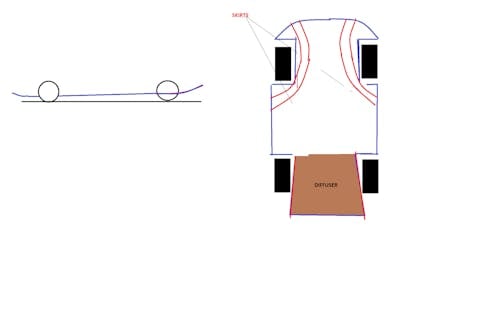
You mean like this?
And what whit rear wheels?
Why we dont have any pictures of undertray of super cars, to steal some ideas?
This uplod images drive me nuts, can I browse from PC directly?
Goal is to get max downforce for given area of undertray. I dont car about drag.
Race car has flat floor and diffuser starts slighly infront rear wheel like picture show.
Generaly my biggiest problem how to menage wheels airflow "mess" tha ruin low pressure under the floor and at same time use maximum floor area?
Few questions:
1.SKIRTS
Where put skirts to the ground, red lines like picture suggest (idea is smaller total area but lower peak pressure because there is no wheel wake compromiting floor section with low pressure.
or
put skirts at the left and right edge of floor between wheels, now total area is bigger but I think low pressure cant be so low because of wheel wake and air leaking through wheels and wheels and skirts connection.
Also does it make sense desing inlet with skirt expanding in lateral and vertical direction, this parts then become contraction so I am scared of high pressure at this entry? https://images.pexels.com/photos/1162 ... 50&w=940
2.DIFFUSER ANGLE
7°, 10° or maybe 20°?
At 12° all tufts still rotating Does it make sense to fix flow separation problems with "roof vanse" like impreza has and put it into diffuser to force the air to follow diffuser upper wall? https://media.karousell.com/media/pho ... 635ce.jpg
3.RAKE
Floor section rake, 100% horizontal or give some rake, hom much?
Take advantage of the two jetting vortices that come off inboard face of the wheels. You strengthen them by toeing the wheels outward. The jetting vortex will keep tire turbulence from migrating to the low pressure area of the splitter and diffuser.
You want to direct airflow outward under the floor, the more air you push out of the floor, the more air will want to go under the floor increasing flow velocity.
Your diffuser design determines how much AoA you put on it. Particularly the end fences and strakes. It's helpful to treat the underfloor like a nozzle. The throat is the nozzle, all the airflow upstream is essentially the pressure reservoir.
If you can fit it under the car, flow conditioning will make a big difference. Flow reversion increases the static pressure, so keeping the airflow straight helps. You can blow or suck the boundary layer to delay flow separation. The slats and gaps with multi element wings energize the boundary layer and encourages the flow to remain laminar.
You mean like this?
And what whit rear wheels?
Why we dont have any pictures of undertray of super cars, to steal some ideas?
Take advantage of the two jetting vortices that come off inboard face of the wheels. You strengthen them by toeing the wheels outward. The jetting vortex will keep tire turbulence from migrating to the low pressure area of the splitter and diffuser.
You want to direct airflow outward under the floor, the more air you push out of the floor, the more air will want to go under the floor increasing flow velocity.
Your diffuser design determines how much AoA you put on it. Particularly the end fences and strakes. It's helpful to treat the underfloor like a nozzle. The throat is the nozzle, all the airflow upstream is essentially the pressure reservoir.
If you can fit it under the car, flow conditioning will make a big difference. Flow reversion increases the static pressure, so keeping the airflow straight helps. You can blow or suck the boundary layer to delay flow separation. The slats and gaps with multi element wings energize the boundary layer and encourages the flow to remain laminar.
You mean like this?
And what whit rear wheels?
Why we dont have any pictures of undertray of super cars, to steal some ideas?
This tunnels are 40cm height from ground, normal race car is 5cm, you dont have space for this stuff..
Problem is everbody hiding unedrtray from media..
This tunnels are 40cm height from ground, normal race car is 5cm, you dont have space for this stuff..
Problem is everbody hiding unedrtray from media..
Obviously you have to work with the dimensions available but the principle works the same.
This tunnels are 40cm height from ground, normal race car is 5cm, you dont have space for this stuff..
Problem is everbody hiding unedrtray from media..
Obviously you have to work with the dimensions available but the principle works the same.
Problem is I still dont see how completly unertray looks, I need ground plane to see this, only when somone crash you can see this..
This tunnels are 40cm height from ground, normal race car is 5cm, you dont have space for this stuff..
Problem is everbody hiding unedrtray from media..
Obviously you have to work with the dimensions available but the principle works the same.
Problem is I still dont see how completly unertray looks, I need ground plane to see this, only when somone crash you can see this..
Not to try and offend you or anything, but it doesn't seem like you (fully) understand it. That's not an issue, as you can learn a whole lot through experience.
The issue that I'm trying to address here is that even with visible examples, you'd still need to understand what is being done, and the only way that can be done is through trial and error
Obviously you have to work with the dimensions available but the principle works the same.
Problem is I still dont see how completly unertray looks, I need ground plane to see this, only when somone crash you can see this..
Not to try and offend you or anything, but it doesn't seem like you (fully) understand it. That's not an issue, as you can learn a whole lot through experience.
The issue that I'm trying to address here is that even with visible examples, you'd still need to understand what is being done, and the only way that can be done is through trial and error
Draw you solution.
Re: Suggestions for design undertray
Posted: 28 Mar 2022, 23:55
by Rodak
Problem is I still dont see how completly (sic) unertray (sic) looks, I need ground plane to see this, only when somone crash you can see this..
I believe that there's several factors in play here. First, you need to avoid the free air hitting the front tyres. Second, you want to generate some downforce in the front and third, you need to feed the diffusor in the rear.
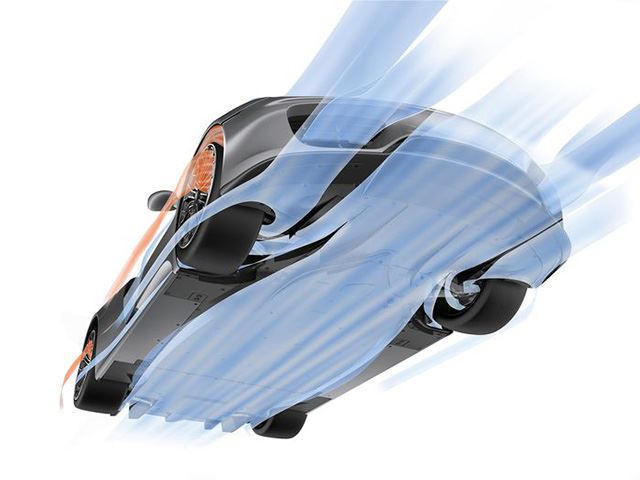
Here's an example a quick google search brought up. You can see that the middle of the car feeds the rear, that there's some kind of flow blockage/diverter/fin (whatever you'd call it) will block the air in front of the frontwheels and that inbetween those two there's a small front diffusor on each side which will guide the air a bit upwards and then to the sides, behind the frontwheels. Most motorsports cars are built like this, even road supercars.
I believe that there's several factors in play here. First, you need to avoid the free air hitting the front tyres. Second, you want to generate some downforce in the front and third, you need to feed the diffusor in the rear.
Here's an example a quick google search brought up. You can see that the middle of the car feeds the rear, that there's some kind of flow blockage/diverter/fin (whatever you'd call it) will block the air in front of the frontwheels and that inbetween those two there's a small front diffusor on each side which will guide the air a bit upwards and then to the sides, behind the frontwheels. Most motorsports cars are built like this, even road supercars.
So basicly all the area(red area) from front to back wheels is useless?
So I can put skirts more inboard(not on floor side edge) and avoid "wheel wake" or is better to put skirts on edge and use 100% of floor area?
Not to try and offend you or anything, but it doesn't seem like you (fully) understand it. That's not an issue, as you can learn a whole lot through experience.
The issue that I'm trying to address here is that even with visible examples, you'd still need to understand what is being done, and the only way that can be done is through trial and error
Draw you solution.
[/quote]
I believe that the whole point of my post was that there isn't a simple drag-and-drop and that seeing a solution, or copying one also needs to be understood to be able to interpret properly.
Re: Suggestions for design undertray
Posted: 29 Mar 2022, 22:15
by godlameroso
You can be daring and exploit the aero from the tires instead of trying to avoid it. Toe out on the wheels creates a strong vortex that's shed from the tire in two places on the inboard side. You can use those vortices to create a barrier to stop the tire squirt from mixing in the low pressure zones in the under floor.