Page 1 of 1
side mounted a arm for new ferrari
Posted: 15 Mar 2007, 13:25
by furnik
have i missed this but ferrari seem to have gone the way of other
teams and gone and mounted there lower front A arm to the side of
there chassis.

Posted: 15 Mar 2007, 14:02
by zac510
Yes they finally have. Not quite as aggressive as Toyota's. It's almost universal across the field now.
Posted: 15 Mar 2007, 19:17
by m3_lover
The lower control arms connected to the chassis is a zero keel suspension system. There is no keel on the car and there about 4 teams that do not have zero keel
Posted: 16 Mar 2007, 22:51
by DaveKillens
Only Renault have any kind of keel structure for the lower arms, everyone else has gone ahead with no keels.
Posted: 17 Mar 2007, 01:07
by Saribro
DaveKillens wrote:Only Renault have any kind of keel structure for the lower arms, everyone else has gone ahead with no keels.
RBR/STR are twin keels apparently.
I can accept that some people would call the F8-VII a twin keel too, though I personally don't.
Posted: 17 Mar 2007, 13:11
by rkn
Honda to has a single keel?
Posted: 17 Mar 2007, 17:10
by Hondanisti
there's a suggestion and debate over on the Speed channel board (having Craig Scarborough from Autosport to lend us a hand with his expertise) that in actuality the F2007 and MP4/22 are running a hybrid twin keel/zero keel..."camouflaged zero keel".
it seems that there's a resurgence of the twin keel layout for 2007 as evidenced by Newey's selection of that choice for the RB3.
the complaint over the winter testing with these 2007 Bridgestone options is that for the prime, the tires don't get enough temp. into the fronts whereas the rears overheat and blister by the end of the stint. This is what Button was complaining of publicly in Melbourne qualifying: early lap understeer followed by late lap oversteer.
So the keel selection this year may be a response to the way the new tires behave under "previous conventional" 2006 Michelin chassis layouts.
The use of a twin keel -like geometry in the front and a longer wheelbase (less squat) may keep the longitudinal weight transfer loads so that there's more front tire loading early to get them into their temp sweet spot while being easier on the rears under power throttling and having less pitch angular inertia affecting bump steer.
As for the hypothesis that this is a hybrid on the F2007: I'm not convinced , especially after seeing this photo. It'll be interesting to see how my colleague suggesting semi-twin keel responds to the photo over at Speed.
Honda is zero keel.
Their problem is aero downforce -wheelbase integration related it appears. When you have problems with braking stability in a straight line that is a pitch management problem. They went with the same idea as Ferrari by going longer wheelbase but did they go long enough or has the rear downforce dynamically overloaded the rear weight transfer ? Apparently their first "fix" announced even before the Melbourne race for Malaysia according to Shuhei Nakamoto is a change of their rear suspension geometry.
Posted: 17 Mar 2007, 17:59
by Hondanisti
here's the suggestion:
the wishbones and where they attach typically are the easy to read "signatures" or indicators of what type of keel you're running.
however, suspension "appendages" don't always follow that "rule" and sometimes you can't just look at the attachment point layout only:
RACER27:

we can see that these bumps, nubs, or keels clearly have a 3rd dimension
(length) in addition to the 2 dimensions shown in the head-on nose-off view posted above...
Remember(!), single keels and twin keels were/are all integral parts of the monocoque, as are these...whatever we might call them.
the photo in this post of the attachment to the monococque is mroe reminiscent of a twin keel approach (perhaps for rigidity purposes in "support" of the front tires and their spring rate) rather than a zero keel approach. Take a look at the 2006 Aguri/Arrows 23 "classic" twin keel and what part of the suspension appendages are attached as opposed to being part of the monococque.
this has been the suggestion of a closer more thorough look at the wishbones/suspension arms and what attaches to what.
My response:
RACER27 , if you're suggesting that the F2007 is a "camouflaged zero keel" (with hybrid zero & twin keel characteristics) based on monococque attachment points (or lack thereof) and lengths of "suspension appendages" parts, can you circle or indicate the analogy between the F2007 to say a "classic" twin keel that we're familiar with - say like the early 2006 Aguri/Arrows A23 ?:

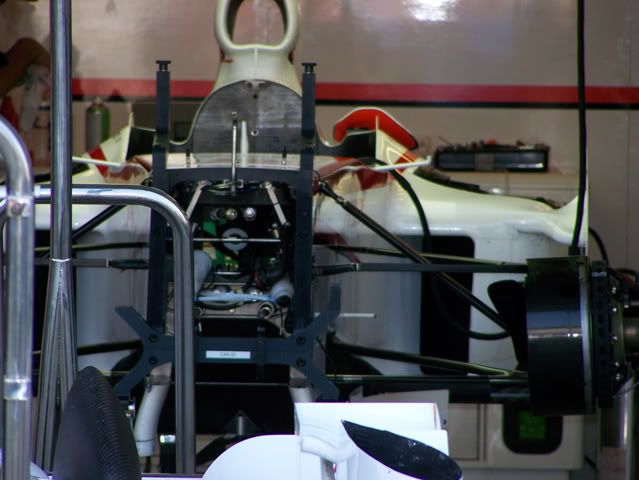
versus
F2007
[img]http:550:319]
http://www.f1technical.net/images/docs/ ... detail.jpg[/img]
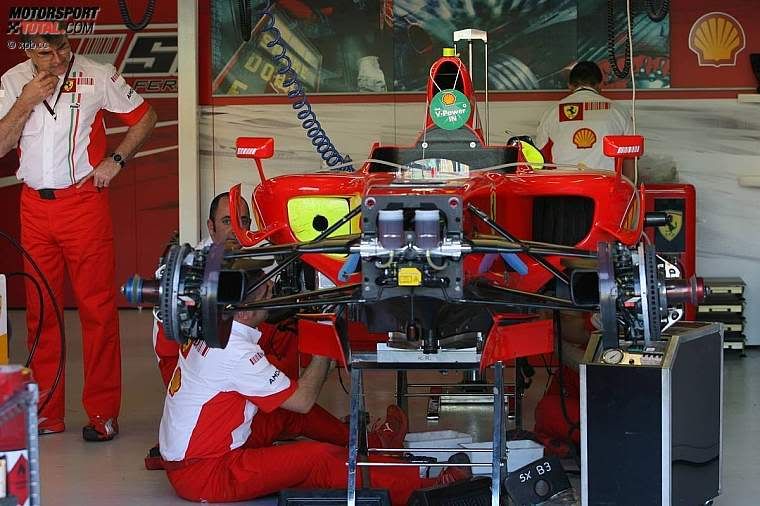
MP4/22

the upper wishbone attachment nubs to the monococque is where you seem to be focusing perhaps too much ?
Notice that on the classic twin keel, the upper and lower control arms are parallel to each other compared to the F2007 in which there's still a "natural" droop to the upper and lower arms.
Posted: 17 Mar 2007, 18:24
by Hondanisti
more AguriSA05/Arrows A23 pics for a classic twin keel baseline comparison:
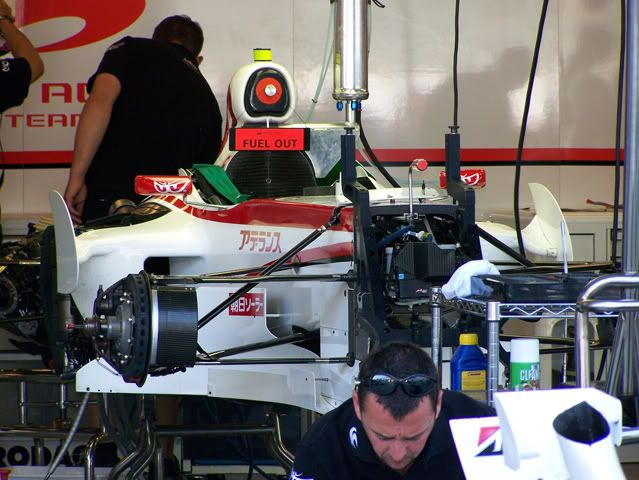

But the
Red Bull RB3 twin keel


has the "wishbone droop" as well.
so what are we talking about when we say "keel" so that there is a common frame of reference or convention:
how about using the boat analogy ?
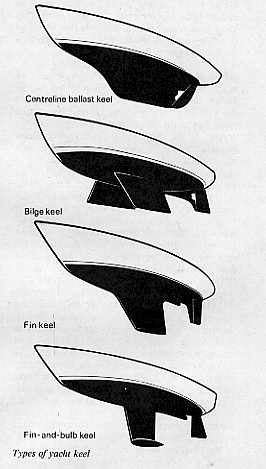
Posted: 18 Mar 2007, 18:15
by Sodder
Spykers keel is quite interesting, not quite zero (which is what they call it officially) not quite twin. Too bad it dosn't seem to be working too well right now.
(I cannot find a picture of it for the life of me)
Posted: 06 Apr 2007, 07:41
by BSO_Cards
Pretty cool to see pictures I personally took find their way to this forum

anyway, I have a hard time understanding the difference between today's zero keel's and hybrid twin keels like Newey's RB3. They look exactly the same to me.