http://www.corrsys-datron.com/optical_sensors.htm
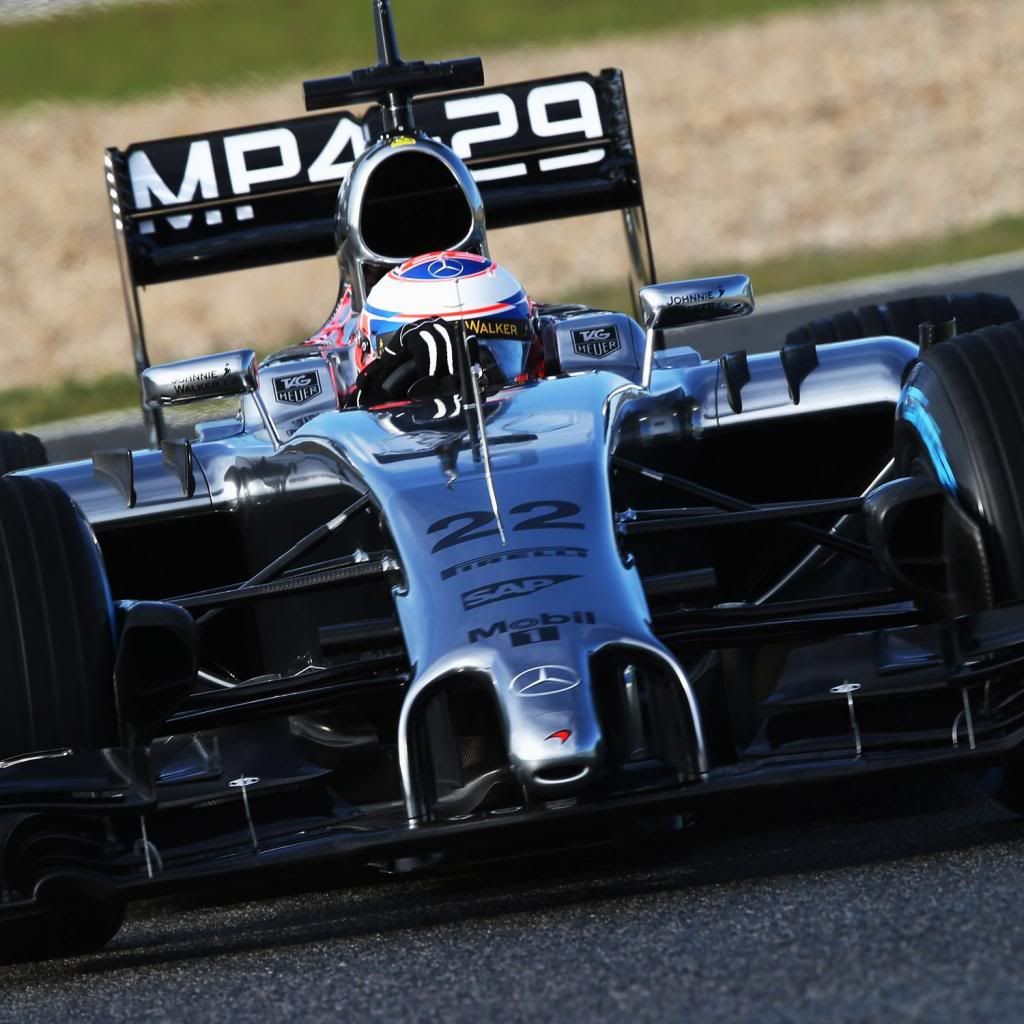
As was said,Optical sensors are what the "blub" under the nose is used for. They use an optical sensor that looks at the contact patch and measures the ground velocity and the transverse movement of the ground.
By combining several other sensors (steering, ride height, speed, lateral-long G-front and rear separately, suspension movement, tire pressure) either graphically or mathmatically that can determine lateral vs long speed change of the ground. Tire squash and deflection can be calculated from this "added" sensor with more accuracy.
This data can also be used to compare to a rolling tire deflection machine (for the same tire type/compound).
Though I might mention that use of an optical sensor is not perfect and can be "fooled" by pavement changes (it is measuring velocity changes) and needs to be verified
Once the "tire model" is created it is plugged into a simulation program for use in weekend racing conditions.
The "height" of the "blub" is the indication that it isn't a laser ride height sensor as lasers are larger in size than their optical counter parts. Also in side view you will see a side port or lens for the optical to look through.
"Driving a car as fast as possible (in a race) is all about maintaining the highest possible acceleration level in the appropriate direction." Peter Wright,Techical Director, Team Lotus